In the world of sleep science and bedding, the innerspring mattress stands as a time-honed standard. This guide delves into how inner springs function, why coil architecture matters, and what to look for when you’re shopping for an organic, durable, and healthier sleep surface. Grounded in evidence, tradition, and contemporary eco-friendly materials, this piece threads together engineering basics, historical perspectives, and practical consumer advice for a nonprofit, educational audience.

At its core, an innerspring mattress uses a system of coils to provide support, resilience, and a responsive feel that varies by design. The classic two-part concept—an array of springs and a system of comfort layers—remains central to many sleep surfaces. The coils themselves are the engine of the bed’s performance: they determine bounce, support, motion transfer, and, crucially for health-conscious shoppers, durability and edge stability.
Key coil characteristics to understand include:
Organic and natural materials used in the upholstery—such as wool, cotton, or latex—cooperate with the spring layer to influence temperature regulation, pressure relief, and overall surface feel. A well-designed innerspring setup harmonizes spring responsiveness with the comfort layers above it to deliver sustained support without excessive motion transfer.
From early wire-wrapped designs to modern pocketed systems, the innerspring mattress has evolved through waves of innovation. In the 19th and early 20th centuries, steel coil innovations emerged as a response to consumer demand for more durable and supportive sleep surfaces. By mid-century, pocketed coils—each spring housed in its own fabric sleeve—began to decouple motion, offering more independent support and quieter operation. The late 20th and early 21st centuries brought a renaissance of premium materials, edge-guard borders, and wellness-focused design—often blending organic cotton covers, natural fillings, and wool or latex to improve breathability and temperature regulation.
Three notable figures and their era-defining contributions illuminate this trajectory:
These figures anchor a narrative that is technical yet human: the coil is a mechanism, but the goal is comfort, rest, and well-being across generations. The modern organic innerspring movement—exemplified by brands and products that emphasize certifications, responsibly sourced fillings, and breathable constructions—continues this lineage with new priorities: transparency, ecological responsibility, and long-term durability.
Organic innerspring mattresses represent a deliberate shift toward healthier sleep environments. The goal is to reduce synthetic exposure without compromising support or endurance. In many cases, organic models pair natural coil systems with certified organic covers and fillings such as GOTS-certified cotton, wool, or latex. The result is a surface that breathes more freely, regulates temperature more effectively, and aligns with consumer demands for sustainability.
Key considerations when evaluating organic innerspring options include:
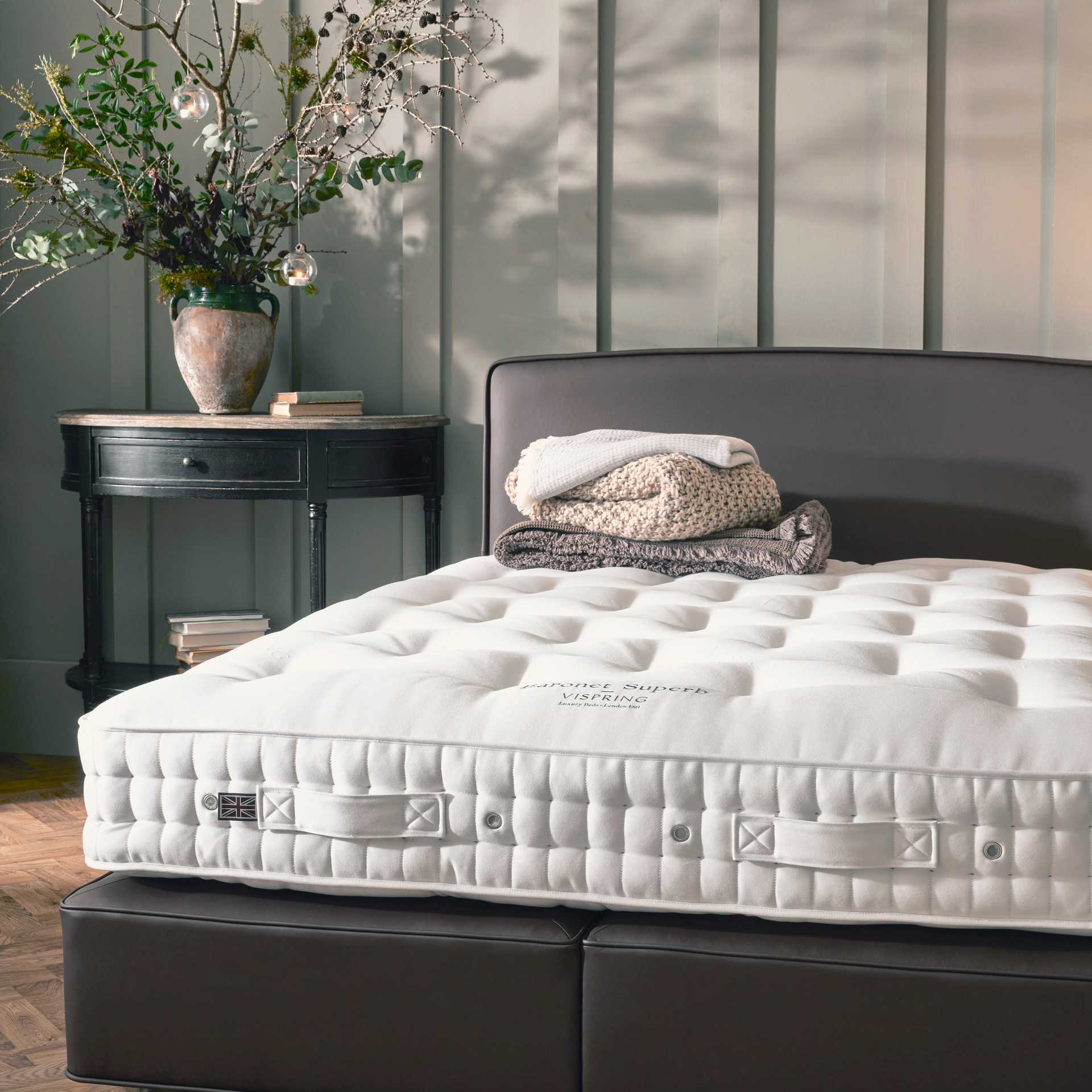
In this section of our informational resource, we highlight a selection of organic-oriented products that exemplify the synergy of spring systems and natural materials. One standout example from the curated list is a high-touch luxury model that blends horsehair-like coarseness with refined wool and organic cotton layers to deliver buoyant support and effective thermal regulation. The detailed construction, including a pocketed-spring core reinforced by hand-tufting and edge stitching, illustrates how modern organic innersprings can balance performance with environmental responsibility.
Choosing an organic innerspring mattress is a task that blends science, personal comfort, and environmental ethics. The following steps provide a practical framework for evaluating models, reading labels, and comparing durability. Use this as a starting rubric to rate comfort, support, and fit for your sleeping position, whether you sleep on your back, side, stomach, or a combination of these.
As a practical aid, readers can adopt a simple scoring rubric that rates comfort, support, ventilation, and sustainability. This rubric helps translate a salesperson’s claims into measurable values aligned with sleep science and consumer education.
To illustrate how high-end innerspring design translates into slept-through comfort, consider two emblematic models from Vispring, a brand that embodies a lineage of craftsmanship and premium materials. The Sublime Superb employs a luxurious filling blend—including Real Shetland Wool, horsehair-like fibers, and refined organics—paired with a two-layer pocket spring system, hand-nested in calico, using Vanadium steel for resilience. The result is a surface that breathes with the body, maintains headroom across the night, and offers an edge-to-edge support profile that remains consistent year after year. The Baronet Superb, positioned as an entry point to Vispring’s refined line, emphasizes a similar philosophy: pocket springs with wool and cotton blends, hand tufting, and measured air vents along the border to promote natural ventilation. These examples highlight how organic materials, artisan techniques, and spring architecture converge to deliver durability, comfort, and luxury for sleepers who seek a premium experience.
In practical terms, readers will note that such models often feature:
While Vispring represents the upper echelons of mattress craftsmanship, the underlying principles—quality coil systems, natural materials, precise edge support, and careful construction—are approachable benchmarks for evaluating more accessible organic innerspring options as well.
Images of Vispring Sublime Superb and Vispring Baronet Superb illuminate the principles discussed here. (Note: The article presents product visuals for context and learning; availability may vary by retailer.)
Innerspringbed.org positions itself as a noncommercial, educational resource that emphasizes sleep science, honest labeling, and consumer education. Readers can expect evergreen content, evidence-based explanations, and practical tools such as checklists, glossaries, and FAQs. This section invites readers to explore how coil systems interact with organic covers, wool fillings, and latex components to shape comfort, temperature, and long-term durability.
Three additional historical figures and contemporary voices help frame the ongoing dialogue around mattress technology and sleep health:
Together, these voices illustrate a continuum from scientific inquiry to practical, everyday choices—an arc that this site intends to sustain through thoughtful, accessible, and well-sourced content. By anchoring discussions in real-world materials, certifications, and performance metrics, innerspringbed.org aims to empower readers to make informed decisions that support restful nights and healthier living.
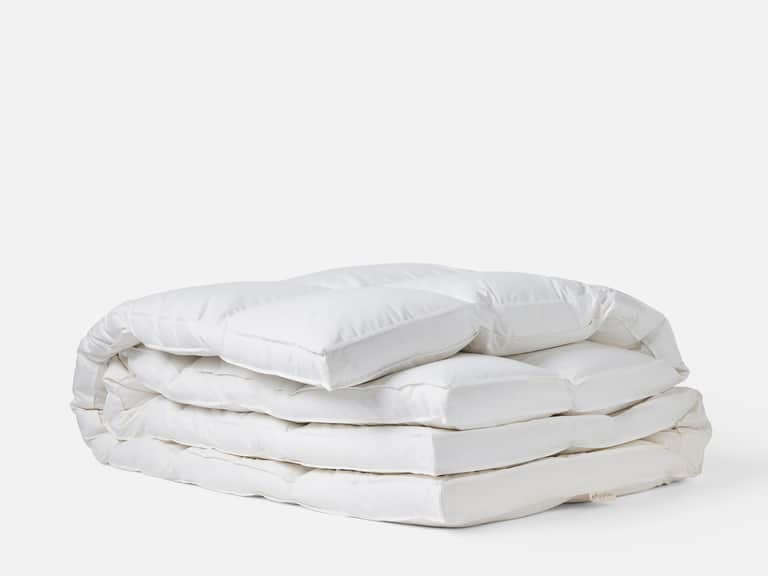
Among the curated products aligned with our educational mission, the Vispring Sublime Superb stands out for its innovative use of organic-insulated filling and hand-crafted pocket springs. This model underscores how luxury can be compatible with organic and natural materials, supporting a healthier sleep surface without sacrificing the precision of spring mechanics. Another notable entry is the Down Featherbed—an accessory that complements an innerspring foundation by offering a breathable layer that adds loft and even distribution of weight. While not a replacement for the coil core, it demonstrates how layering decisions can influence perceived comfort and surface feel in organic mattress ecosystems.
In keeping with our non-commercial position, this article emphasizes learning over shopping—understanding how to interpret product descriptions, certifications, and construction details rather than chasing the latest sale. The goal is a well-informed reader ready to engage with reputable brands, compare models with a clear set of criteria, and prioritize long-term sleep health over momentary comfort alone.
A pinnacle example of organic materials and pocket-spring architecture, combining heat management and responsive support.
A breathable overlay that adds loft and even distribution while maintaining a foundation emphasis on natural materials.
Images for the products referenced above are displayed inline to assist with visual context. If you’re viewing this article in a text-only mode, you may refer to official retailer pages for product galleries, materials lists, and construction details.
Images are representative selections from product listings to illustrate construction concepts related to organic innerspring mattresses. Availability and imagery may vary by retailer.
Innerspring mattresses—especially those designed with organic materials and transparent certifications—offer a compelling path toward durable support, breathable comfort, and environmental responsibility. This article has explored the mechanics of coil systems, the evolution of coil technology, and how organic components influence performance. It has also highlighted how to approach shopping with a critical eye, using labels, certifications, and construction details as guides rather than defaults. The goal is simple and profound: a better night’s sleep grounded in science, transparency, and long-term wellbeing.
As sleep research continues to unfold, staying informed about the materials that touch our bodies during the night remains essential. For readers seeking to deepen their understanding, we invite you to revisit the core questions posed here: How does coil architecture influence spinal alignment? What certifications indicate an organic, non-toxic sleep surface? How do natural fillings interact with springs to create a balanced, breathable bed? By treating these questions as living prompts, you can build a healthier sleep environment—one that respects the coil, the craft, and the science that binds them.
This article reflects non-commercial, educational perspectives on innerspring mattresses and organic materials. For further reading and references to certifications, sleep science, and industry history, consult reputable sources and independent consumer research organizations.