Adjustable beds are designed to customize comfort and support for different sleeping positions, medical needs, and relaxation routines. This category highlights mechanisms, frames, and matress compatibility that enable independent head and foot articulation, height adjustments, and personalized incline. Understanding these features helps clarify how adjustable beds influence pressure relief, circulation, and sleep quality.
Key components of adjustable bed systems include a sturdy frame, a motorized mechanism, and a remote or app-based control. Innerspring bedding paired with adjustable bases can provide balanced support with responsive coil zones, while ensuring proper alignment of the spine. Compatibility with latex, memory foam, and hybrid mattresses expands options for individualized comfort.
The Naturepedic Conductor Adjustable Bed Frame exemplifies a modern approach to supportive sleeping arrangements, combining a solid base with programmable incline functionalities. It offers quiet performance, stable edge support, and compatibility with various mattress types. Functional benefits include improved digestion comfort, reduced snoring potential, and easier reading or lounging positions.
When evaluating adjustable beds, consider sleep modality, body weight distribution, and preferred elevation ranges. Features such as head tilt for reading, leg elevation for circulation, and preset programs can enhance comfort during rest or recovery. Proper setup also involves selecting appropriate bedding and sheets that accommodate the frame’s articulation without obstruction.
For groups like caregivers or nurseries, adjustable beds can support nighttime care routines and ergonomic access. Bedding materials—including sheets and pillows designed for dynamic surfaces—play a role in maintaining comfort and hygiene. This category integrates key keywords such as bedding, pillows, sheets, latex, and nursery to reflect common considerations in selecting and using adjustable bed systems.
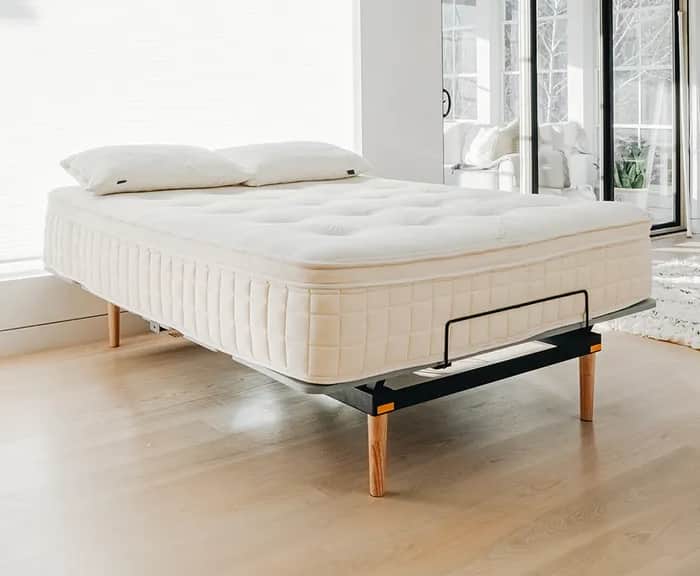 Adjustable Beds