 Mattresses
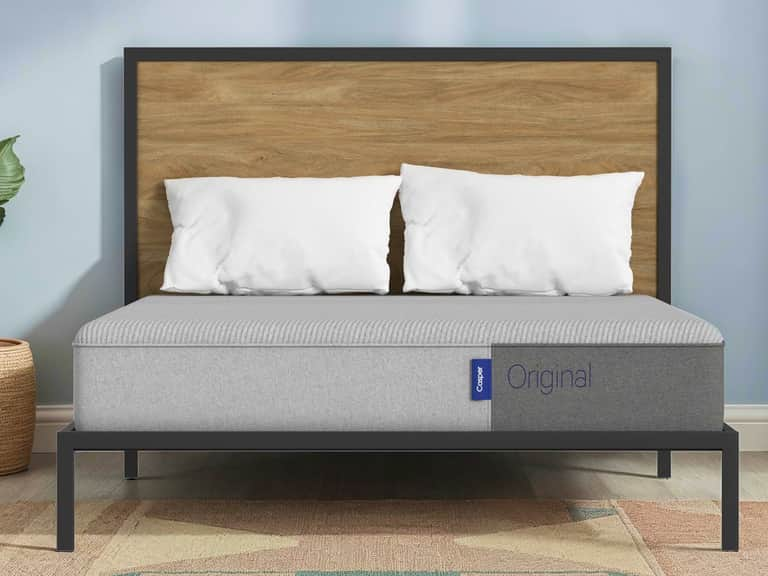
Original Mattress
Sleep cooler and cradled with responsive foam that hugs you, while three zones keep your spine aligned for balanced comfort from top to base.
Foam mattresses are designed to provide contouring support and pressure relief by distributing body weight evenly across the sleeping surface. This category highlights polyurethane and memory foam options that adapt to different sleeping positions, helping align the spine and reduce motion transfer. Key features include density ratings, cooling technologies, and durability considerations for long-term comfort.
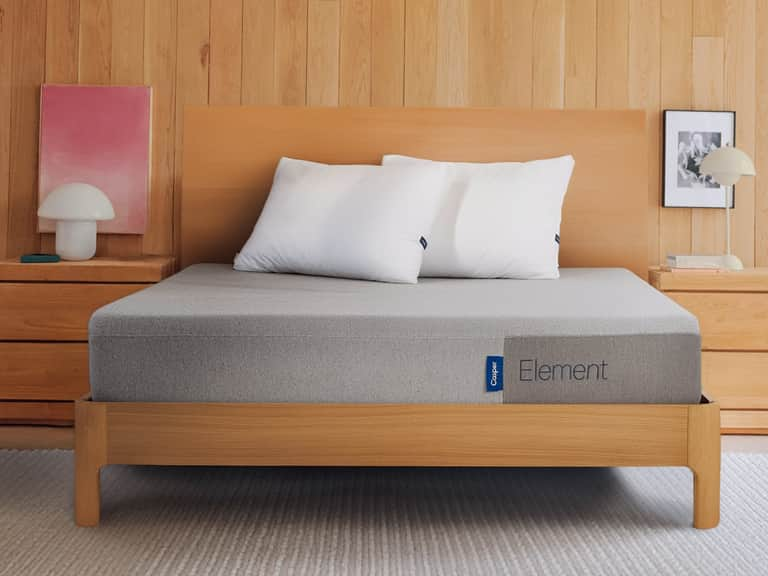
Original Mattress and Element Mattress are prominent examples within foam-based Sleep systems, each offering distinct benefits. The Original emphasizes balanced support and body-hugging comfort, while the Element focuses on targeted pressure relief and enhanced resilience. Understanding foam density, firmness levels, and cooling layers helps match personal sleep preferences with functional performance.
Material composition matters for foam mattresses, including memory foam, gel-infused foams, and high-density polyfoam. These components influence contouring, heat dissipation, and overall durability. Buyers should consider certifications, off-gassing expectations, and maintenance needs such as weekend airing to maintain freshness and support integrity.
Foam mattresses suit a range of sleepers, including couples who value minimal motion transfer and individuals seeking precise spinal alignment. The choice between softer and firmer foams affects sinkage and posture during different activities, such as reading or watching TV in bed. Longevity is often tied to high-density foams and well-engineered cooling layers.
In the context of bedding ecosystems, foam mattresses interact with pillows, sheets, and organic mattress options for crib safety and overall sleep hygiene. Readers may explore how foam systems complement ergonomic pillows and breathable sheets, while considering organic and hypoallergenic possibilities for sensitive environments and sustainable sleep practices.
Mattresses
 Mattresses