Pillows are a fundamental component of sleep ergonomics, supporting alignment for the head, neck, and spine while accommodating various sleep positions. Innerspringbed.org highlights how pillow construction, fill materials, and firmness influence pressure relief, breathability, and long-term comfort. Understanding key features helps readers choose designs that align with personal health goals and preferred sleeping posture.
Innerspring coil systems in pillows often interact with external fills like memory foam, latex, or natural fibers to balance support and contouring. The right combination can reduce stiffness after waking and enhance neck stabilization. This category emphasizes materials, breathability, and moisture management to maintain a balanced sleeping environment throughout the night.
Organic and natural fillings are increasingly favored for their hypoallergenic properties and reduced chemical exposure. For readers interested in sustainable choices, pillows featuring organic cotton covers and certifications can provide peace of mind. Such options typically prioritize gentle textures, allergen resistance, and long-lasting comfort without compromising support.
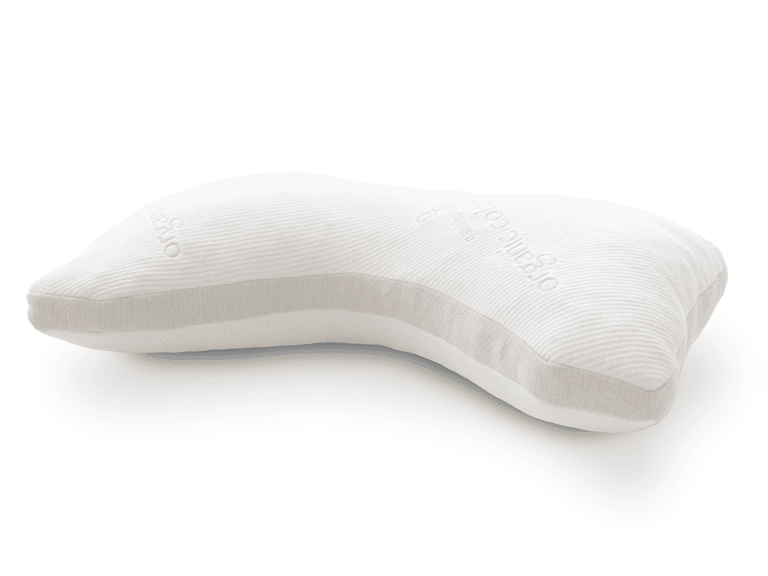
Among notable products, the Naturepedic Organic Side Sleeper Pillow illustrates design considerations for side sleepers, offering targeted lateral support, breathable construction, and durable encasing. Features like adjustable loft, supportive cores, and temperature-regulating materials contribute to improved spinal alignment and personalized comfort within an innerspringbed context.
Understanding pillow selection requires assessing personal sleep habits, head size, and preferred firmness. This guidance integrates concepts from bedding comfort science, including airflow, moisture control, and ergonomic alignment, to inform decisions about cross-category considerations such as sheets, organic mattresses, and crib mattresses while prioritizing overall sleep health.
 Bedding